
Growing Strawberry Plants
At Strawberries Direct, we’re committed to helping you succeed. Here, you’ll find everything you need to grow healthy, productive strawberry plants.
Climate Zones for Strawberry Plants
Different climates require different types of strawberry plants for optimal growth. Here’s a breakdown of the major zones and which types of strawberries thrive best in each. Use the Plant Hardiness Zones map to discover which strawberry varieties are best suited for your climate.
Zone 4-7
Cold Climates
In these colder regions, you’ll need hardy strawberry varieties that can survive frosty winters and shorter growing seasons.
Best suited for June-bearing varieties like San Andreas.
Zone 5-8
Cool to Warm Temperate
These zones have moderate winters and long growing seasons, making them ideal for a wide range of strawberry plants.
Accommodates a range including June-bearing, everbearing, and day-neutral varieties such as Cabrillo, Portolla, Fronteras, San Andreas.
Zone 6-9
Warm Temperate to Hot Climates
With mild winters and long growing seasons, these regions are perfect for growing a variety of strawberries, especially those that produce fruit throughout the year.
Ideal for everbearing and day-neutral varieties like Sweet Sensation
How-to Guide
Plant Bare-Root Strawberry Plants
When you receive your bare-root strawberry plants:
- Separate the bare root bundles.
- Remove any dried leaves that are attached.
- Soak the roots in water for about an hour before planting.
Strawberries thrive in well-draining, nutrient-rich soil with a pH between 5.5 and 7. Loamy soil works best, and they need at least 6 hours of direct sunlight daily. Avoid planting in waterlogged areas to prevent root rot. Before planting, loosen the soil, remove any weeds, and dig a hole slightly larger than the root clump.
Planting Methods by Region and Variety:
- Matted Rows (Fronteras, UF Sensation)
Best for northern and eastern states or gardeners growing June-bearing varieties. Space plants 1.5–2 feet apart with 3–4 feet between rows. The “mother” plant sends out runners, forming a mat for mending the roots maximum yield. - Hill Rows (Cabrillo, Portola, San Andreas)
Ideal for warmer climates and everbearing (day-neutral) varieties. Space plants 1 foot apart with 3 feet between rows. Focus on the “mother” plant, as this method grows strawberries as annuals with fewer runners. - Solid Beds (All Varieties)
Perfect for small spaces, no matter the variety. Plant strawberries 10–14 inches apart with 1.5–2 feet between rows. The “mother” plants and runners will fill the gaps to create a dense, solid bed.
- Spacing: Place strawberry plants about 12-18 inches apart in rows, with at least 3 feet between rows to ensure good air circulation.
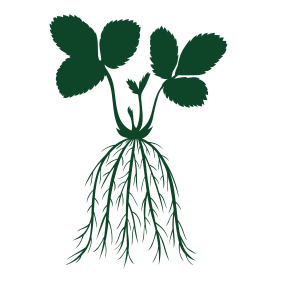
- Plant Depth: Place the plant in the hole so that the crown, which is the thicker, stem-like part of the plant, is at the soil line. The crown should not be covered by soil, as this can stunt growth. Additionally, make sure that the roots extend fully into the ground without any curling over or upward.
- Watering: Water the plants thoroughly after planting, being careful not to soak the crown.
- Gently fill the hole with soil, making sure to keep the roots spread out evenly and fully extend down into the soil.
- Mix in compost or well-rotted manure to enrich the soil and improve drainage.
Strawberries need consistent moisture, especially while they’re establishing. Water when the top inch of soil feels dry. Avoid getting water on the leaves and crown to prevent fungal diseases.
Water the plants early in the day, providing about 1 to 1.5 inches of water per week. In hot or dry weather, you may need to water more frequently.
Avoid fertilizing with conventional products until the plants are established, which is about six weeks after transplanting.
Apply a balanced fertilizer after planting, then switch to a fertilizer high in phosphorus and potassium when the plants begin to flower and fruit. Follow the recommended amounts to avoid over-fertilizing.
Spread a 2-inch layer of mulch, like straw, pine needles, or bark, around your strawberry plants. This helps retain moisture, control weeds, and keep pests away from the leaves and fruit—but be sure to leave the crown uncovered.
We know it’s tempting to dive into fresh, juicy strawberries right away—but patience pays off. In the first year, pinch off the flowers (and runners) to help your plants build strong roots. This energy-saving step is key for a bigger, better harvest in the seasons to come.
For the best flavor and yield, here’s a quick guide to managing your strawberry beds:
- June-Bearing (Fronteras, UF Sensation)
Pinch off most blooms early in the season. Plant in spring, harvest starting in late July, and mow plants to 3–4 inches at the end of August. Start a new bed in the third spring, harvesting fruit in the original bed before replacing it. - Everbearing (Cabrillo, Portola, San Andreas)
Pinch off early-season blooms but let later (beginning in early August) grow. Harvest in mid to late summer of the first year, and start a new bed the following spring. Keep harvesting from the original bed for two seasons, then replace it.
A little patience and planning now will set you up for seasons of sweet success. The longer you pinch off flowers in the first year of growth the better later harvests will be! Trust us—it’s worth the wait!
Strawberry Care Calendar
Keeping your strawberry plants healthy and productive throughout the year requires seasonal care. Follow our care calendar to ensure your plants are well-tended, no matter the time of year.
Harvesting Strawberries
When to Harvest
Color
Look for bright red berries with no white or green spots. Ripe strawberries will have a rich color all the way to the stem.Firmness
The berries should feel firm but not hard.Timing
Harvest in the morning when temperatures are cooler, and the berries are firmest.How to Harvest
Gently pinch
Stem just above the berry, using your fingers or garden scissors to avoid damaging the plant.Avoid pulling
the berries off by the fruit itself, as this can damage both the berry and the plant.Harvest frequently:
Check your plants every few days during peak season to pick ripe berries and encourage further production.Storing Strawberries
Refrigeration:
Place unwashed strawberries in a single layer in a container lined with paper towels to absorb excess moisture. Store in the refrigerator for up to 5 days.Freezing:
To freeze, wash the strawberries, remove the stems, and lay them out on a baking sheet in a single layer. Once frozen, transfer to an airtight container or freezer bag. Frozen strawberries can last up to a year.Avoid washing
the strawberries until you’re ready to eat them. Washing them too early can make them spoil faster.Download Your Planting Guide
For more detailed instructions and tips, download our comprehensive Planting & Care Guide in PDF format. It’s perfect for printing and keeping handy while you’re out in the garden.
Want to See How It’s Done?
If you prefer to watch and learn, this video breaks down the basics of planting bare-root strawberries like a pro.
Frequently Asked Questions
FAQ
The ideal planting time varies by region. Generally, spring is best in cooler climates, while fall planting is better for warmer areas. Check the USDA Plant Hardiness Zone Map for specific guidance based on your location.
Plant your strawberries so that the crown (where the leaves meet the roots) sits just above the soil level. Planting too deep can cause the crown to rot, and planting too shallow may expose the roots.
Strawberry plants need consistent moisture, especially during the growing and fruiting stages. Water them when the top inch of soil is dry, and aim for about 1-2 inches of water applied per week.
Use a balanced fertilizer after planting. Once your plants start flowering and fruiting, switch to a fertilizer higher in phosphorus and potassium to support fruit development. Avoid over-fertilizing, as this can lead to weak plants.
Spread a 2-inch layer of mulch, like straw, pine needles, or bark, around your strawberry plants. This helps retain moisture, control weeds, and keep pests away from the leaves and fruit—but be sure to leave the strawberry plant crown uncovered.
Strawberries are ready to harvest when they’re fully red and firm. Gently pinch or cut the stems above the berry to avoid damaging the plant. Harvest frequently to encourage more fruit production.
Unwashed strawberries can be stored in the refrigerator for up to 5 days. For longer storage, freeze the berries by placing them in a single layer on a tray, then transferring them to a sealed bag or container.
At Strawberries Direct, we don’t cut corners—we grow like the pros because we are the pros. Our bare-root plants come from second-year roots, meaning they’re more mature, more robust, and ready to thrive from the start. Unlike younger, first-year roots that need time to catch up, ours are established and vigorous—setting you up for success right away.
Every plant we ship is grown on our California farm using university-patented, commercial-grade varieties trusted by some of the best growers in the world. We package each bundle with care to ensure it arrives healthy and planting-ready. It’s the kind of quality commercial farms depend on—now available for your home garden.
We ship all orders on Mondays to ensure your plants arrive fresh and healthy. Orders must be placed by Sunday at 11:59 PM (PT) to be included in that week’s shipment. See our full Shipping Policy
Because we ship live bare-root plants, we can’t accept returns or offer refunds once your order ships. That said, if something doesn’t look right when your order arrives, just reach out—we’re here to help. Read our full Refund Policy ›